
Why does my car need a scan?
A pre-repair scan shows which systems were affected by the crash. A post-repair scan confirms everything works afterward.
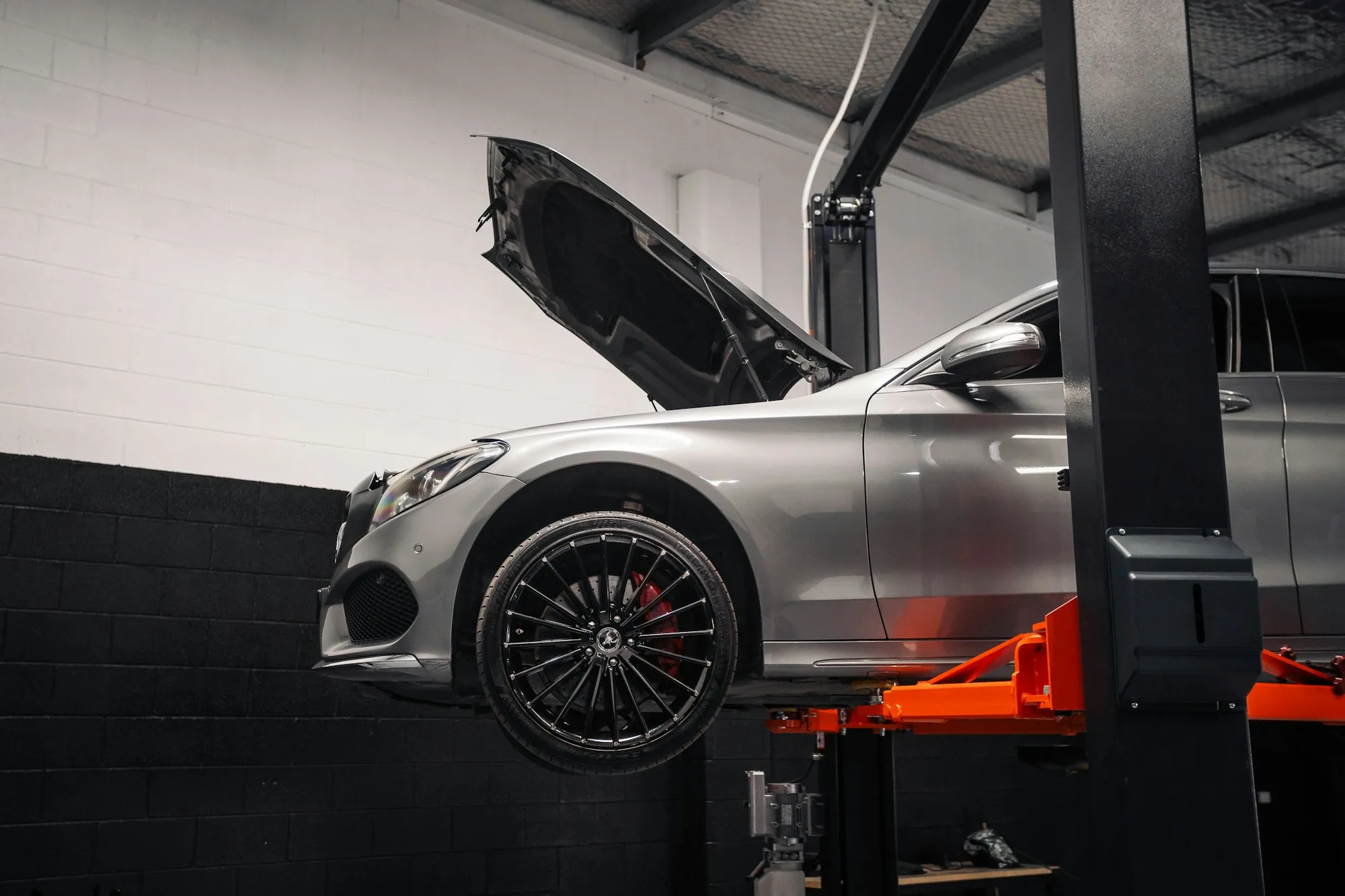
Fate collision shop
Today's cars are rolling computers, with cameras, radar and sensors tucked behind every bumper. We scan before we start, follow the maker's procedures and calibrate what the repair touched before you drive away.
Book a scan and estimate — (000) 000-0000Fault codes and system status recorded before work begins.
Repairs planned from the published methods for your model.
Cameras and radar aimed to specification after the repair.
A clean report before the keys go back to you.
Repairs
Each repair below has its own page explaining how it's done on late-model vehicles and what checks go with it. A collision usually involves several, and one estimate covers them together. You don't need to know the technical terms. Tell us what happened and we'll handle the rest.
Crash repair for late-model cars, with sensor checks, scans and the automaker's procedures guiding every step.
See how it worksDoor, fender, hood and quarter-panel repair for newer cars, with lightweight metals handled the way the maker specifies.
See how it worksUnibody and frame correction measured electronically against factory dimensions, so sensors and wheels line up again.
See how it worksConventional dent repair for creases and broken-paint dings, with lightweight panels and nearby sensors handled correctly.
See how it worksDoor dings and hail pocks pushed out from the inside, keeping factory paint, including tri-coat and specialty finishes, untouched.
See how it worksBooth-sprayed refinishing with color read digitally off your car, from metallics to tri-coat pearls, blended to look factory.
See how it worksScratches, scuffs and key marks corrected to the right depth, from a polish-out to a precise spot refinish.
See how it worksSplit, scraped or crushed bumper covers restored or renewed, with parking sensors, radar and cameras calibrated once everything is back together.
See how it worksPaintless dent work and refinishing for hail-hit roofs, hoods and trunks, with sensors checked before handoff.
See how it worksCamera, radar and blind-spot calibration after collision, glass or alignment work, done to the automaker's procedure.
See how it worksLightweight aluminum panels and structures repaired with dedicated tools, rivet bonding and the maker's procedures.
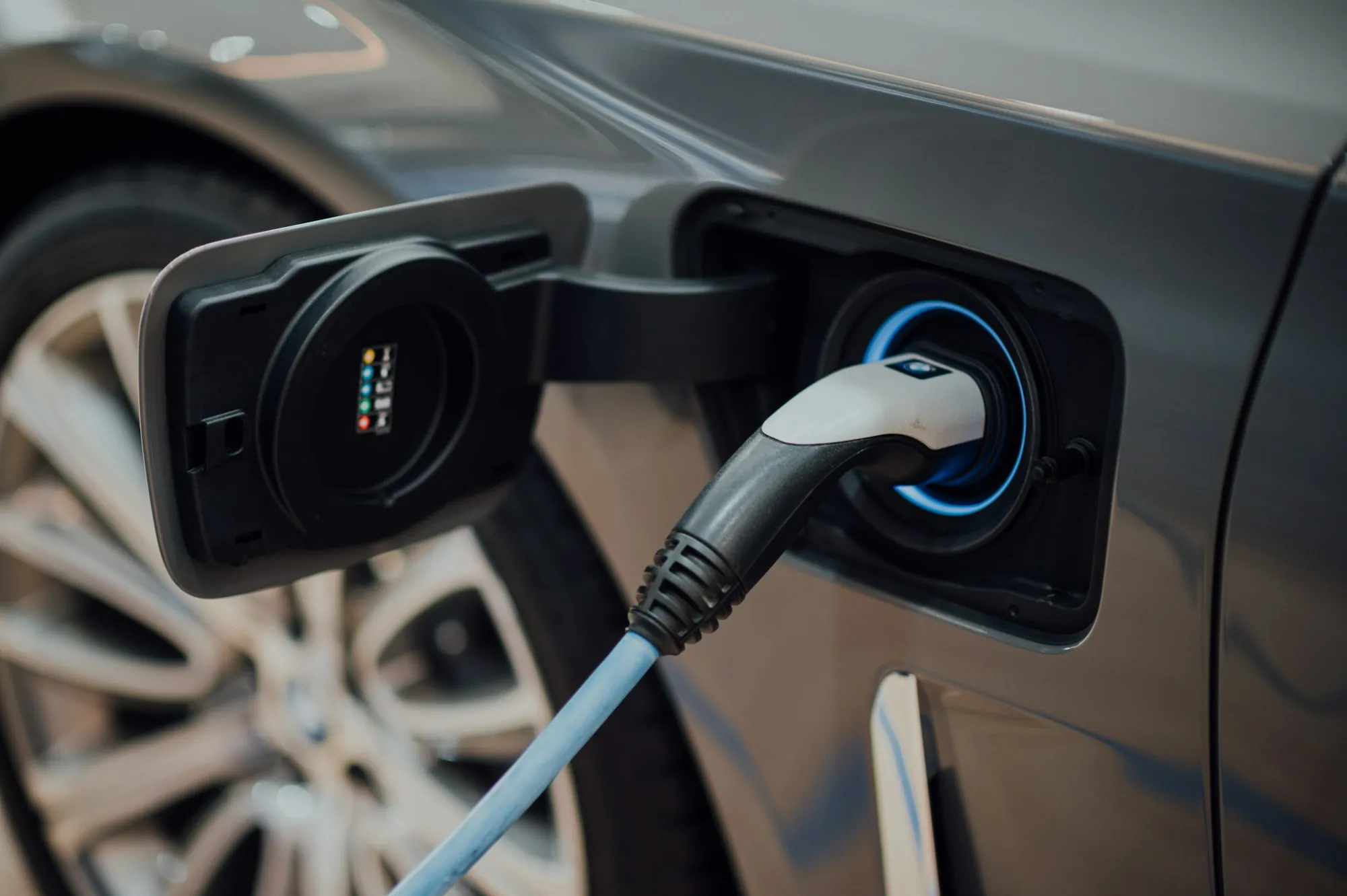
See how it worksElectric and hybrid crash repair built around high-voltage safety steps, battery inspection and full scans.
See how it worksWindshield, side and rear glass replaced with feature-matched parts, proper urethane and forward camera calibration.
See how it worksPhoto-rich estimates, adjuster coordination and supplement handling for repairs that include scans and calibrations.
See how it worksFlatbed towing coordinated straight to our bays, with EV-aware loading and care for low-clearance and AWD vehicles.
See how it worksBody and collision work for cargo vans, service pickups and work trucks, including upfit handling, calibrations and per-unit records.
See how it works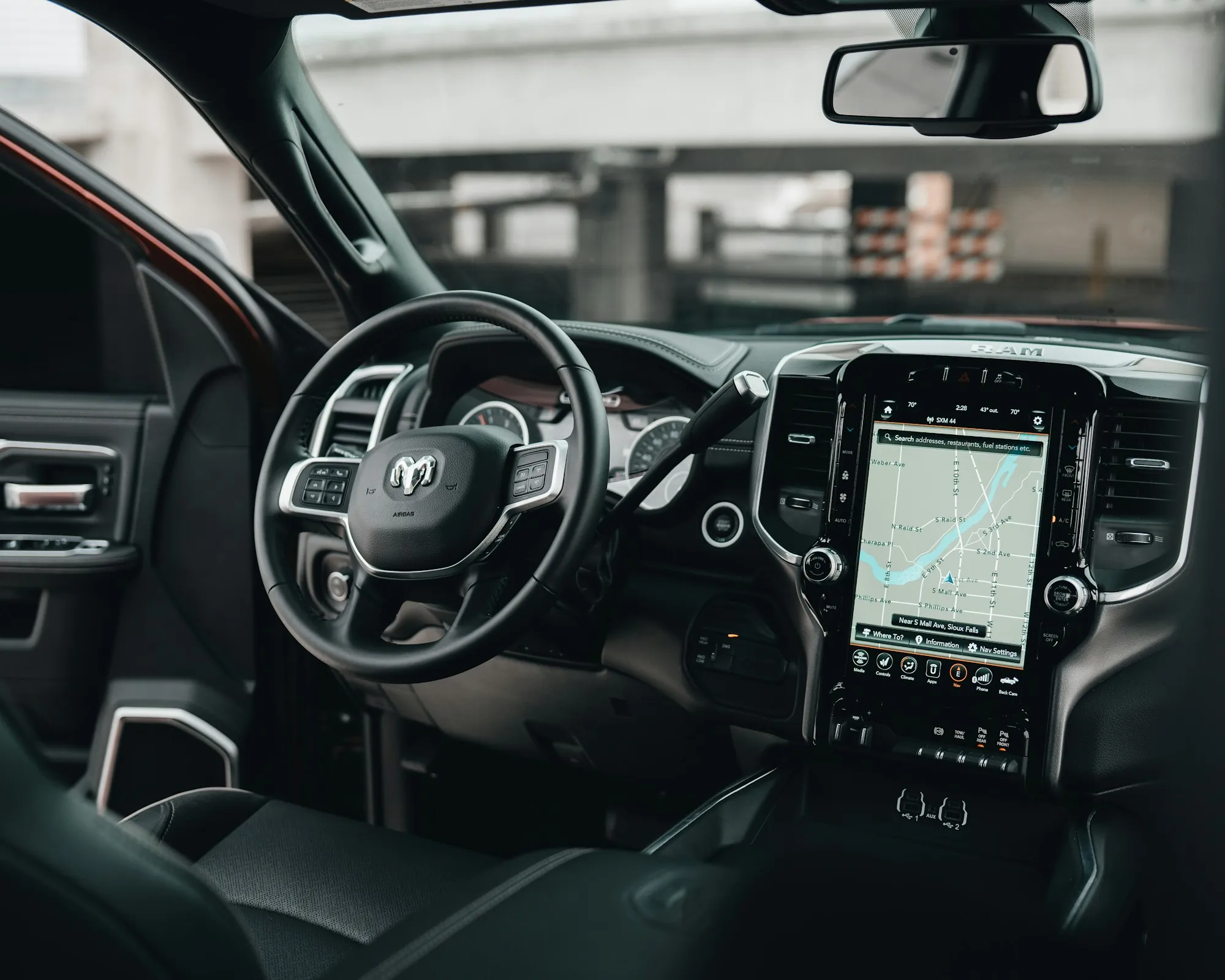
Why it matters
A late-model bumper isn't just a plastic cover. Behind it there may be a radar unit for adaptive cruise, parking sensors, a camera for the 360-degree view and mounting brackets that hold each of them at a precise angle. The windshield may carry the camera that reads lane lines and road signs. Headlights may steer with the wheel.
After a collision, any of those parts can be damaged or shifted, often without an obvious warning. A radar aimed a degree off can brake too late or too early. A camera that's slightly out of position can misread the lane.
That's why every repair here starts with a scan, follows the maker's procedures and ends with calibrations and a final scan. You'll get the results in plain words.
Six steps, from first scan to final road test. Each is documented so you know what was done.
Pre-repair scan, photos and a close look at the damage and the systems around it.
The maker's repair methods for your model, including required calibrations.
Every repair and calibration listed, shared with your insurer if one is involved.
Structure, panels and paint, including tri-coat and specialty finishes.
Cameras, radar and sensors aimed and verified to specification.
A post-repair scan and a drive to confirm everything works together.
Many Fate households drive vehicles only a few years old, packed with technology that has to work after a repair, not just look right.
Sensors and systems are part of the plan from the start.
Pre- and post-repair scans you can keep for your records.
Aluminum, high-strength steel and plastics repaired the way the maker specifies.
Tri-coats, pearls and metallics blended so the repair disappears.
Fate has grown from a small town into one of Rockwall County's busiest communities, with new neighborhoods filling in on both sides of I-30. FM 551 and FM 552 carry daily traffic to schools and shops, and I-30 connects to Rockwall and the Dallas side, with plenty of merging, braking and rear-end bumps along the way.
Construction is everywhere, which means gravel on the roads, rock chips on windshields and the occasional scraped bumper. Spring hail is a regular part of life in Rockwall County too, and a windshield chip on a late-model car often means a camera calibration after replacement.
Whatever the damage, the approach is the same: scan it, repair it to the maker's procedures and make sure the technology works before you drive away.
Calibration
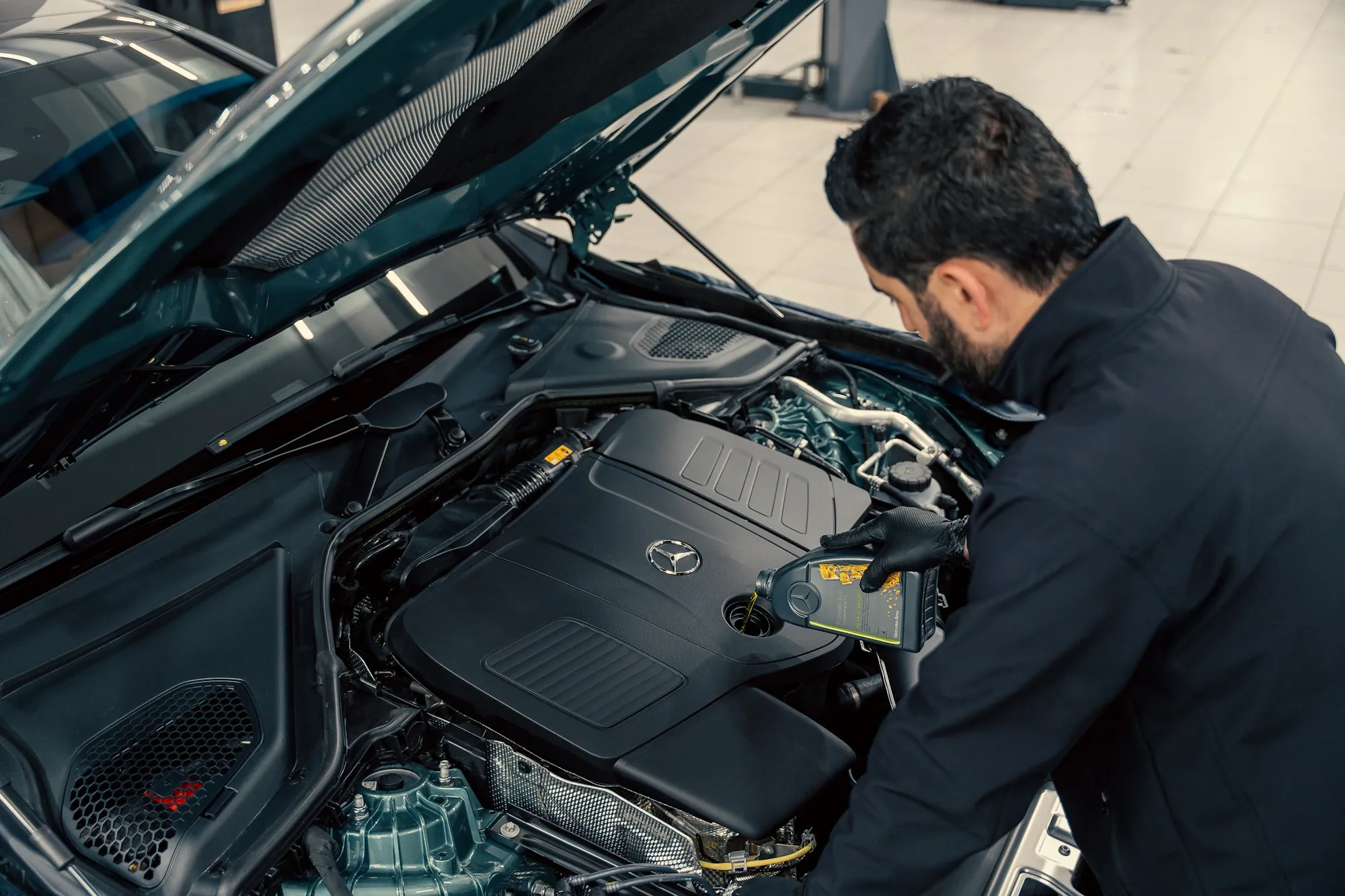
Driver-assist systems rely on cameras and radar pointed in exactly the right direction. Replacing a bumper, windshield or mirror, or straightening a damaged mounting point, can change that aim. Calibration is the process of resetting it.
Some systems are calibrated in the shop with targets placed at precise distances. Others need a road drive under specific conditions. The maker's procedures say which applies to your car. We do what's required, confirm the systems work and show you the results.
Fate sits along I-30 between Rockwall to the west and Royse City to the east, with Heath and McLendon-Chisholm to the south and Caddo Mills farther east. Most customers reach us in a few minutes.
I-30, FM 551, FM 552 and SH 66. Tell us where it happened and we'll know the spot.
A car from Royse City gets the same pre- and post-repair scans as one from down the street.
Estimates, tows and questions all go through (000) 000-0000.
Coming from farther out? If the car can make the trip, or a tow truck can, it gets the same scans and calibrations.
Ask about your town — (000) 000-0000Short answers. For anything else, call (000) 000-0000.
A pre-repair scan shows which systems were affected by the crash. A post-repair scan confirms everything works afterward.
Often, if the bumper holds radar or parking sensors. The maker's procedures tell us exactly what's required.
If your windshield carries a camera, it usually needs calibrating after replacement. We'll take care of it.
Yes. Multi-layer paints are mixed, tested and blended into the surrounding panels.
Yes, following the maker's procedures with tools kept separate from steel work.
No. In Texas the vehicle owner chooses the repair shop.
When the maker's procedures require them, they're part of a proper repair. We include them in the estimate and document why.
Call (000) 000-0000 and we'll set a time to scan and inspect the car in person.
It depends on the damage, parts and calibrations required. You'll get a realistic estimate up front and a call if anything changes.
Yes. Tell us where it is and we'll arrange it.
Tell us what happened and what you're driving. We'll explain which scans and calibrations are likely and set a time to look at the car. No pressure to decide on the call.
Call the shop — (000) 000-0000Serving Fate, Rockwall, Royse City, Heath and nearby.
